Introduction
A healthy lawn does not happen by accident. It comes from consistent mowing, proper watering, smart fertilizing, seasonal weed control, and attention to soil health. The good news is that most homeowners can dramatically improve their lawn by following a simple, repeatable maintenance plan.
This professional guide to DIY lawn care covers the most important lawn maintenance practices, including fertilizing, weed control, watering, aeration, dethatching, overseeding, mowing, mulching, and seasonal monitoring.
Whether your lawn is thin, patchy, full of weeds, or simply not as green as you would like, these practical lawn care tips will help you build stronger turf and reduce unnecessary yard work.
Start With Healthy Soil
Before adding fertilizer, grass seed, or weed control products, take time to understand what your lawn is growing in. Grass depends on healthy soil for nutrients, water retention, drainage, and strong root development.
Best Practices for Soil Health
- Test your soil every few years to check pH and nutrient levels.
- Add compost or organic matter if the soil is compacted, sandy, or low in nutrients.
- Improve drainage in areas where water pools after rain.
- Avoid heavy foot traffic on wet soil, which can cause compaction.
Many homeowners apply fertilizer without knowing what their lawn actually needs. This can waste money and may lead to weak growth, fertilizer burn, or nutrient runoff. A basic soil test can help you determine whether your lawn needs nitrogen, phosphorus, potassium, lime, or organic matter.
Mow at the Right Height
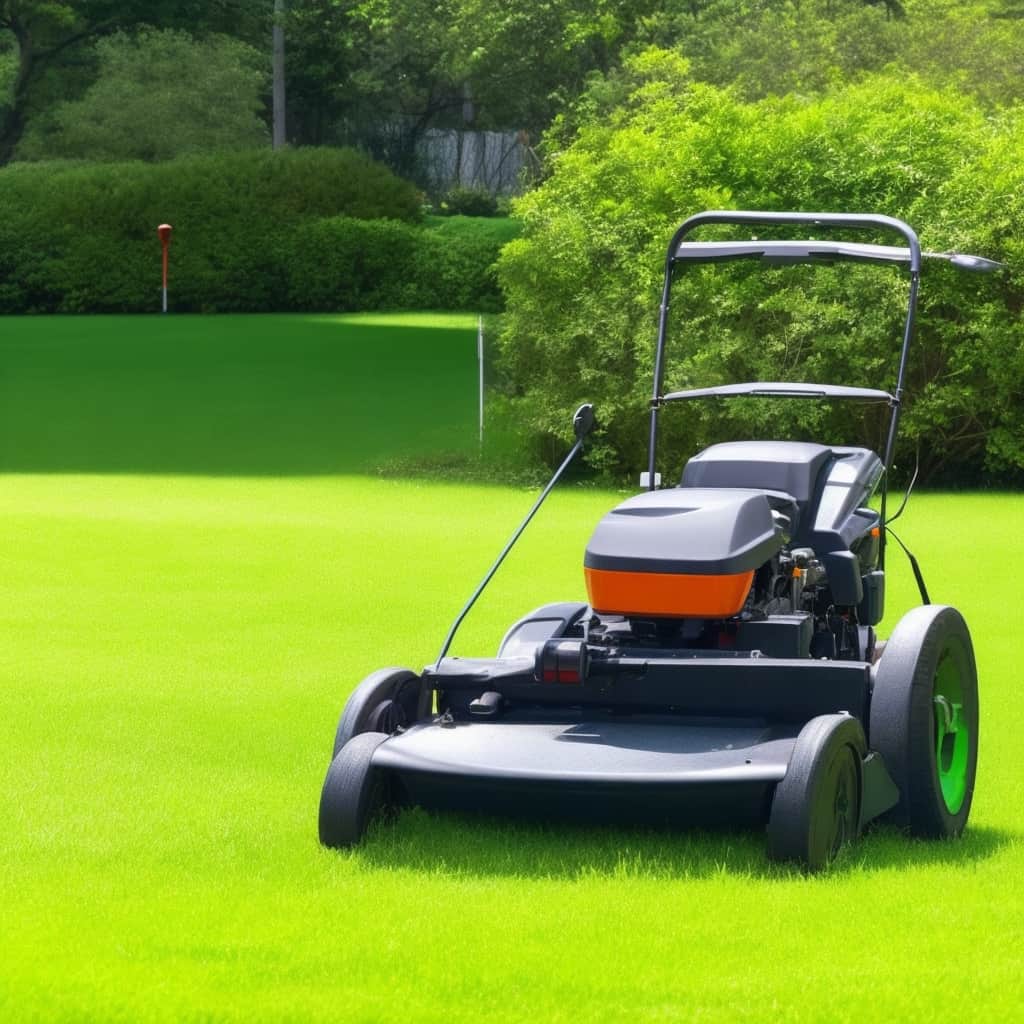
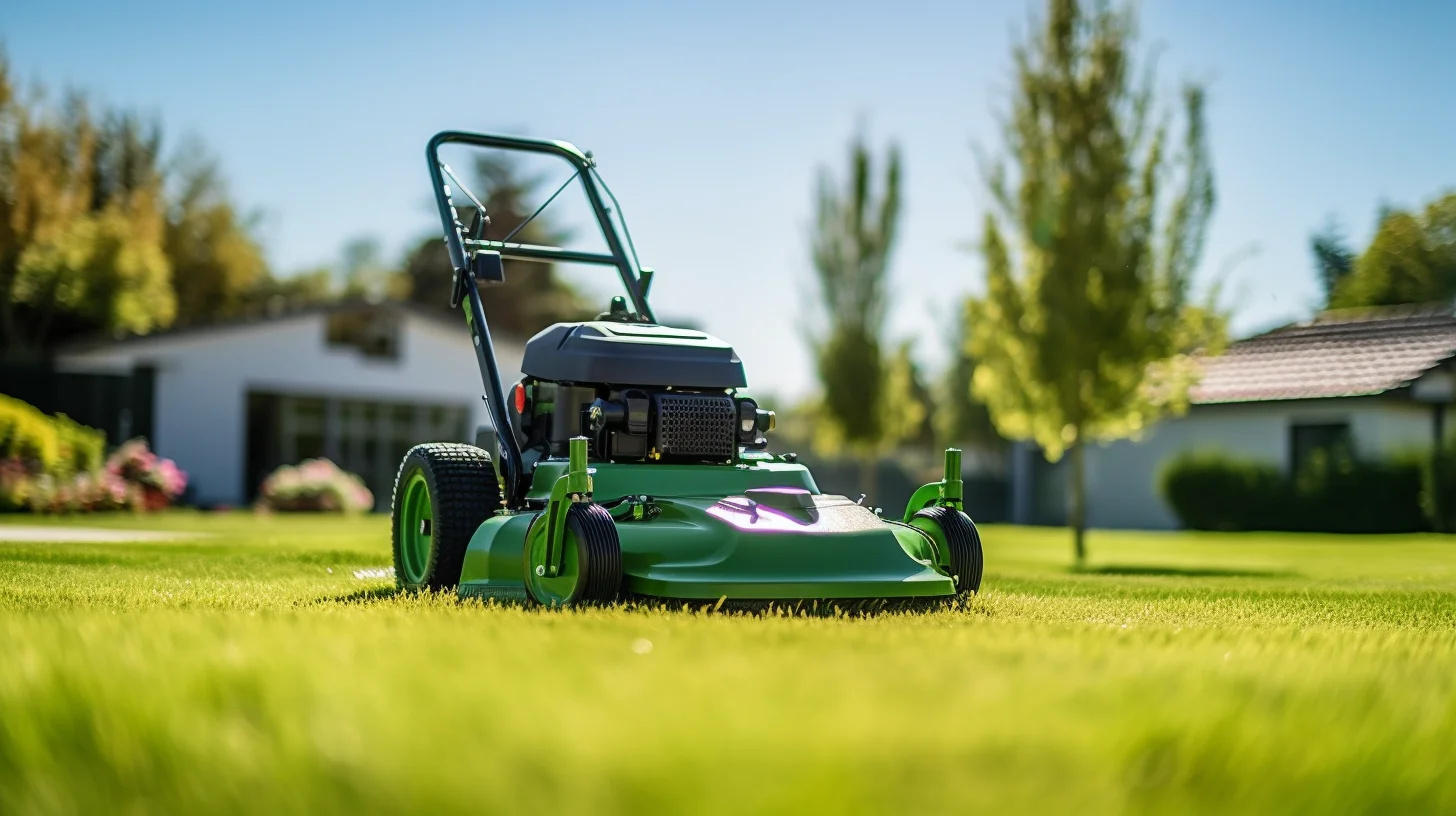
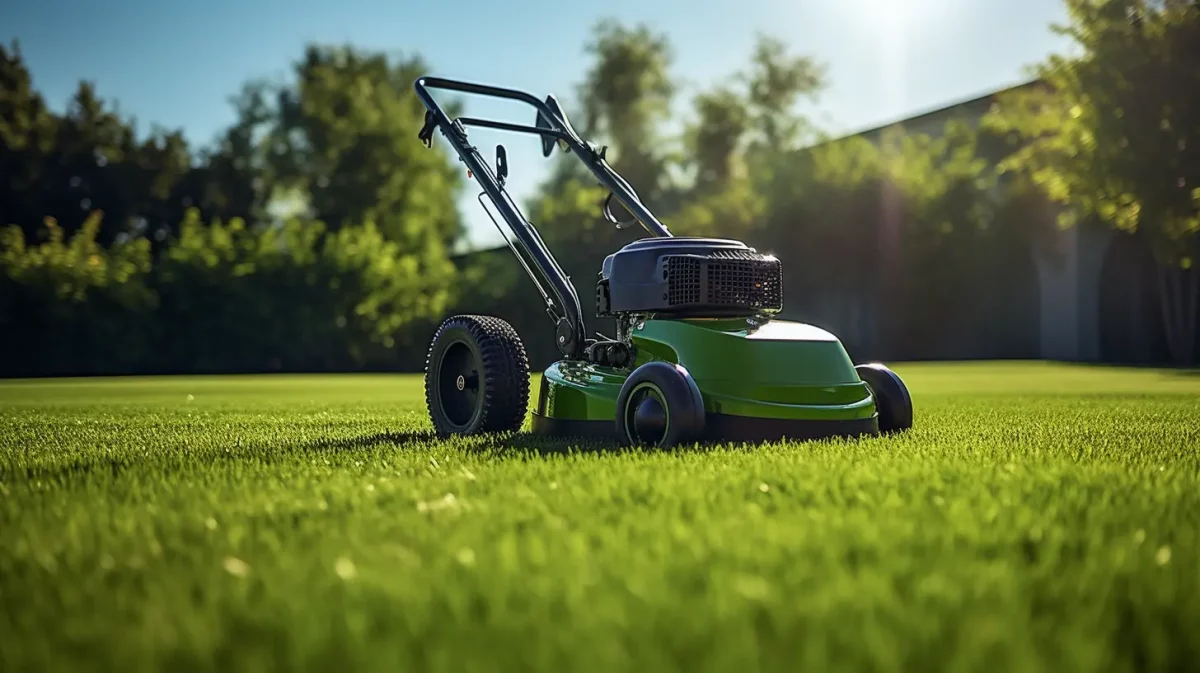
Mowing is one of the most important lawn care tasks. Done properly, it encourages thick, healthy turf. Done poorly, it stresses the grass and creates openings for weeds.
Follow the One-Third Rule
Never remove more than one-third of the grass blade in a single mowing. For example, if your target grass height is 3 inches, mow before it grows taller than about 4.5 inches.
Cutting too much at once shocks the plant, weakens the roots, and can leave the lawn looking brown or scalped.
Recommended Mowing Height
For most cool-season lawns common in Calgary and similar climates, keep grass around:
- 2.5 to 3 inches in spring
- 3 to 3.5 inches in summer
- 2 to 2.5 inches for the final fall cut
Longer grass shades the soil, reduces evaporation, and helps prevent weed seeds from germinating.
Common Mowing Mistakes
- Cutting grass too short
- Mowing with dull blades
- Mowing when the lawn is wet
- Always mowing in the same direction
- Bagging clippings unnecessarily
Sharp mower blades make clean cuts. Dull blades tear the grass, leaving brown tips and increasing the risk of disease.
Leave Grass Clippings When Possible
In most cases, grass clippings should be left on the lawn. They break down quickly and return nutrients to the soil. This process, often called grasscycling, can reduce the need for fertilizer.
Only bag clippings if the lawn is diseased, excessively long, or leaving heavy clumps behind.
Water Deeply, Not Constantly
Proper watering encourages deeper roots and better drought tolerance. Many lawn problems come from watering too often but not deeply enough.
Best Watering Method
Water deeply and infrequently. Most lawns need about 1 inch of water per week, including rainfall, during the growing season.
Instead of watering lightly every day, water two or three times per week depending on weather, rainfall, and soil conditions.
Best Time to Water
Water early in the morning, ideally between 5 a.m. and 9 a.m. Morning watering reduces evaporation and gives grass blades time to dry during the day. Evening watering can leave the lawn damp overnight, which may encourage fungal disease.
Signs Your Lawn Needs Water
- Grass blades folding or curling
- A bluish-gray tint
- Footprints that remain visible after walking on the lawn
- Dry, hard soil
Common Watering Mistakes
- Watering every day
- Watering during the hottest part of the day
- Overwatering shaded areas
- Ignoring rainfall
- Using sprinklers that miss corners or oversaturate one area
A simple rain gauge or empty tuna can placed on the lawn can help you measure sprinkler output.
Fertilize Strategically
Fertilizer gives grass the nutrients it needs to grow thick, green, and resilient. The key is using the right product at the right time and applying it evenly.
Understand N-P-K
Fertilizer labels show three numbers, such as 20-5-10. These stand for nitrogen, phosphorus, and potassium.
- Nitrogen promotes green leaf growth.
- Phosphorus supports root development.
- Potassium improves stress tolerance and overall plant health.
Most established lawns need more nitrogen than phosphorus. However, new lawns or overseeded areas may benefit from a starter fertilizer with more phosphorus, depending on local regulations and soil test results.
When to Fertilize
For cool-season lawns, the most important fertilizing times are:
- Spring, once the grass is actively growing
- Early summer, to maintain colour and steady growth
- Early fall, to strengthen roots before winter
Fall fertilization is especially valuable because it helps the lawn store energy for next spring.
Fertilizer Application Tips
- Use a broadcast or drop spreader for even coverage.
- Follow the product label exactly.
- Do not apply fertilizer to dry, stressed grass during extreme heat.
- Water lightly after application unless the product says otherwise.
- Sweep fertilizer off driveways and sidewalks back onto the lawn.
Common Fertilizing Mistakes
- Applying too much fertilizer
- Fertilizing before heavy rain
- Spreading unevenly
- Using the wrong product for the season
- Fertilizing newly seeded areas with the wrong formula
Too much fertilizer can burn grass and damage nearby plants or waterways.
Control Weeds Before They Take Over
Weeds compete with grass for sunlight, water, and nutrients. A thick, well-maintained lawn is the best long-term weed control strategy.
Manual Weed Removal
Hand-pulling is effective for small weed problems, especially dandelions and other broadleaf weeds.
- Pull weeds after rain or watering when the soil is soft.
- Remove the full root whenever possible.
- Use a dandelion digger or weed puller for taproot weeds.
- Fill bare spots with seed to prevent weeds from returning.
Using Herbicides Safely
Herbicides can help when weeds are widespread, but they must be used carefully.
- Selective herbicides target specific weeds while sparing grass.
- Non-selective herbicides kill most plants they touch.
- Always read and follow the label.
- Avoid spraying on windy days, near garden beds, or during heat stress.
Apply Pre-Emergent Herbicide to Help Prevent Crabgrass
Crabgrass is easier to prevent than remove. Pre-emergent herbicide stops crabgrass seeds from germinating, which helps reduce infestations before they become visible.
- Apply pre-emergent herbicide in early spring before crabgrass appears.
- Follow all label instructions for application rates, timing, and safety precautions.
- Water lightly after application if directed by the product label.
A useful guideline is to apply pre-emergent before crabgrass germinates, often around the time soil temperatures begin to warm consistently in spring. Timing matters. If crabgrass is already growing, pre-emergent herbicide will not control established plants.
Do not apply most pre-emergent herbicides before overseeding unless the product is specifically labeled as safe for seeding. Many pre-emergents can also prevent new grass seed from germinating.
Aerate Compacted Soil
Compacted soil prevents air, water, and nutrients from reaching grass roots. This is common in high-traffic lawns, clay-heavy soil, and yards used by children or pets.
What Aeration Does
Core aeration removes small plugs of soil from the lawn. This opens the soil and helps roots grow deeper.
- Improves water absorption
- Improves oxygen flow to the root zone
- Encourages stronger root growth
- Reduces soil compaction
- Helps fertilizer reach the roots more effectively
When to Aerate
The best time to aerate cool-season lawns is early fall or spring when the grass is actively growing. Fall is often ideal because temperatures are cooler, moisture is more consistent, and aeration pairs well with overseeding.
Common Aeration Mistakes
- Using spike aerators instead of core aerators for compacted soil
- Aerating during drought or extreme heat
- Aerating when soil is too wet
- Removing the soil plugs immediately
Leave the plugs on the lawn. They break down naturally and return soil and nutrients to the surface.
Dethatch Only When Needed
Thatch is the layer of dead and living organic material between the grass blades and soil surface. A small amount is normal. Too much can block water, air, and nutrients.
When Thatch Becomes a Problem
Dethatching may be needed when the thatch layer is thicker than about half an inch.
- The lawn feels spongy underfoot.
- Water runs off instead of soaking in.
- Grass is thinning despite watering and fertilizing.
- Disease or insect problems are becoming more common.
How to Dethatch
- Use a dethatching rake for small lawns or a power dethatcher for larger areas.
- Rake up and remove loosened debris.
- Water the lawn after dethatching.
- Overseed thin areas if needed.
- Apply fertilizer if appropriate for the season.
Do not dethatch every year unless the lawn needs it. Aggressive dethatching can damage healthy turf.
Overseed Thin or Patchy Areas
Overseeding adds new grass seed to an existing lawn. It improves density, fills bare spots, enhances colour, and helps crowd out weeds.
When to Overseed
Early fall is usually the best time for cool-season lawns. Soil is still warm, air temperatures are cooler, and weed pressure is lower. Spring overseeding can also work, but young grass may struggle during summer heat.
Steps for Successful Overseeding
- Mow the lawn slightly shorter than usual.
- Rake away debris and loosen bare soil.
- Aerate if the soil is compacted.
- Spread high-quality grass seed suited to your climate, sunlight, and lawn use.
- Ensure good seed-to-soil contact.
- Apply a light layer of compost or topdressing if needed.
- Keep the seedbed consistently moist until germination.
- Avoid heavy foot traffic until new grass is established.
Common Overseeding Mistakes
- Spreading seed over thatch without soil contact
- Letting seed dry out after germination begins
- Mowing too soon
- Applying pre-emergent herbicide before seeding
- Using cheap seed with high weed content
Choose grass seed based on sunlight, foot traffic, and local climate. For shaded yards, use a shade-tolerant blend. For high-use areas, choose durable turf varieties.
Use Mulch to Reduce Maintenance
Mulch is useful around trees, shrubs, and garden beds. It conserves soil moisture, suppresses weeds, protects roots, and reduces trimming around obstacles.
How to Mulch Properly
- Apply 2 to 4 inches of organic mulch around trees and beds.
- Use wood chips, bark mulch, shredded leaves, compost, or straw where appropriate.
- Keep mulch a few inches away from tree trunks and plant stems.
- Replenish mulch annually as it breaks down.
Never pile mulch against a tree trunk. This common mistake, often called a mulch volcano, traps moisture, encourages rot, and can damage bark. Proper mulching protects trees from mower and trimmer damage while keeping beds cleaner and easier to maintain.
Monitor Growth and Adjust Your Lawn Care Routine
A strong lawn care routine changes with the season and weather. Watch your lawn regularly and adjust your mowing, watering, fertilizing, and weed control as needed.
Signs of a Healthy Lawn
- Even colour
- Dense grass coverage
- Strong regrowth after mowing
- Minimal weeds
- Soil that absorbs water well
- Few bare or thinning patches
Warning Signs to Watch For
- Yellowing grass
- Brown patches
- Standing water
- Thin areas
- Excessive weeds
- Mushrooms or fungal growth
- Insect damage
- Grass that pulls up easily
Early action prevents small problems from becoming expensive repairs.
Example: Turning Around a Thin Calgary Lawn
Consider a Calgary homeowner whose lawn looks thin after winter. Dandelions are spreading, water runs off compacted areas, and the grass struggles near the sidewalk.
A practical recovery plan would look like this:
- Rake debris in spring and inspect for winter damage.
- Apply pre-emergent crabgrass control if overseeding is not planned.
- Mow at approximately 3 inches to shade the soil and reduce weed pressure.
- Water deeply two or three times per week, adjusting for rainfall.
- Core aerate compacted areas in early fall.
- Overseed thin patches with a cool-season grass blend.
- Apply fall fertilizer to strengthen roots before winter.
- Add mulch rings around trees to reduce trimming damage.
Within one growing season, the lawn should become denser, greener, and more resilient. The key is not one single treatment, but a consistent routine.
Simple Seasonal Lawn Care Schedule
Spring
- Rake debris and inspect for winter damage.
- Sharpen mower blades.
- Apply pre-emergent herbicide if needed and if you are not overseeding.
- Fertilize lightly once grass is actively growing.
- Begin mowing at the proper height.
Summer
- Mow regularly using the one-third rule.
- Water deeply in the morning.
- Spot-treat weeds as needed.
- Avoid heavy fertilizer during heat stress.
- Monitor for dry patches and pests.
Fall
- Aerate compacted soil.
- Overseed thin areas.
- Apply fall fertilizer.
- Continue mowing until growth stops.
- Clear leaves before they smother the lawn.
Winter
- Avoid piling heavy snow repeatedly on one section of lawn.
- Limit foot traffic on frozen or slushy grass.
- Plan next season’s lawn improvements.
Easy Lawn Care Tips to Reduce Yard Chores
- Use natural mulch around trees and flower beds to conserve moisture and suppress weeds.
- Mow regularly so you never remove more than one-third of the grass blade at once.
- Leave grass clippings on the lawn when they are short and evenly distributed.
- Create defined edges along garden beds, sidewalks, and walkways to keep the property looking clean.
- Choose plants suited to your local climate, sunlight, and watering conditions.
- Fix bare spots quickly before weeds move in.
Small maintenance habits make a major difference. The more consistent your routine, the less time you will spend correcting lawn problems later.
Conclusion
A beautiful lawn is built through consistent care, not quick fixes. Focus on the fundamentals: mow high, water deeply, fertilize properly, control weeds early, aerate compacted soil, and overseed thin areas.
The biggest mistakes homeowners make are cutting grass too short, watering too often, applying too much fertilizer, and ignoring soil health. Avoid those pitfalls and your lawn will become healthier, thicker, and easier to maintain over time.
If you found this useful, we recommend checking out this article covering lawn care basics for homeowners. If you would rather save time and get professional results, contact Clean X Pros for reliable lawn care services in Calgary today.
The team at Clean X Pros has a passion for our industry. We aim to share our expertise to help homeowners and spark thought-provoking discussions within our specializations.